Contents
- Tummy Tuck and Liposuction: A Patient Planning Guide
- Endoscopic Brow Lift in Baku: Before You Travel
- Facial Rejuvenation in Baku: Planning It From Abroad
- Facelift in Baku: Ten-Day Recovery and When to Fly
- Endoscopic Deep Plane Facelift: What It Is, Who It Suits
- Endoscopic Facelift Cost: Comparing Azerbaijan, the US, and Europe
- Endoscopic Brow Lift: Complete Guide
- Why Natural-Looking Facelifts Are Becoming the New Standard in 2026
- Endoscopic Deep Plane Facelift & Advanced Facial Rejuvenation
Tummy Tuck and Liposuction Together: A Planning Guide for Patients
Many people who look into a tummy tuck and liposuction are trying to answer one question: which of the two do I actually need? Sometimes the honest answer is one of them. Often it is both, performed in the same operation. This guide is written to help you work out where you stand before a consultation. It also covers the practical side, including what changes if you travel for surgery.
It explains what each procedure can and cannot do, and why combining them has become routine. It then sets out the questions that decide whether you are ready, the risks worth discussing openly and what recovery usually looks like. Nothing here replaces an examination. It should, however, make that examination more useful.
Start with the problem, not the procedure
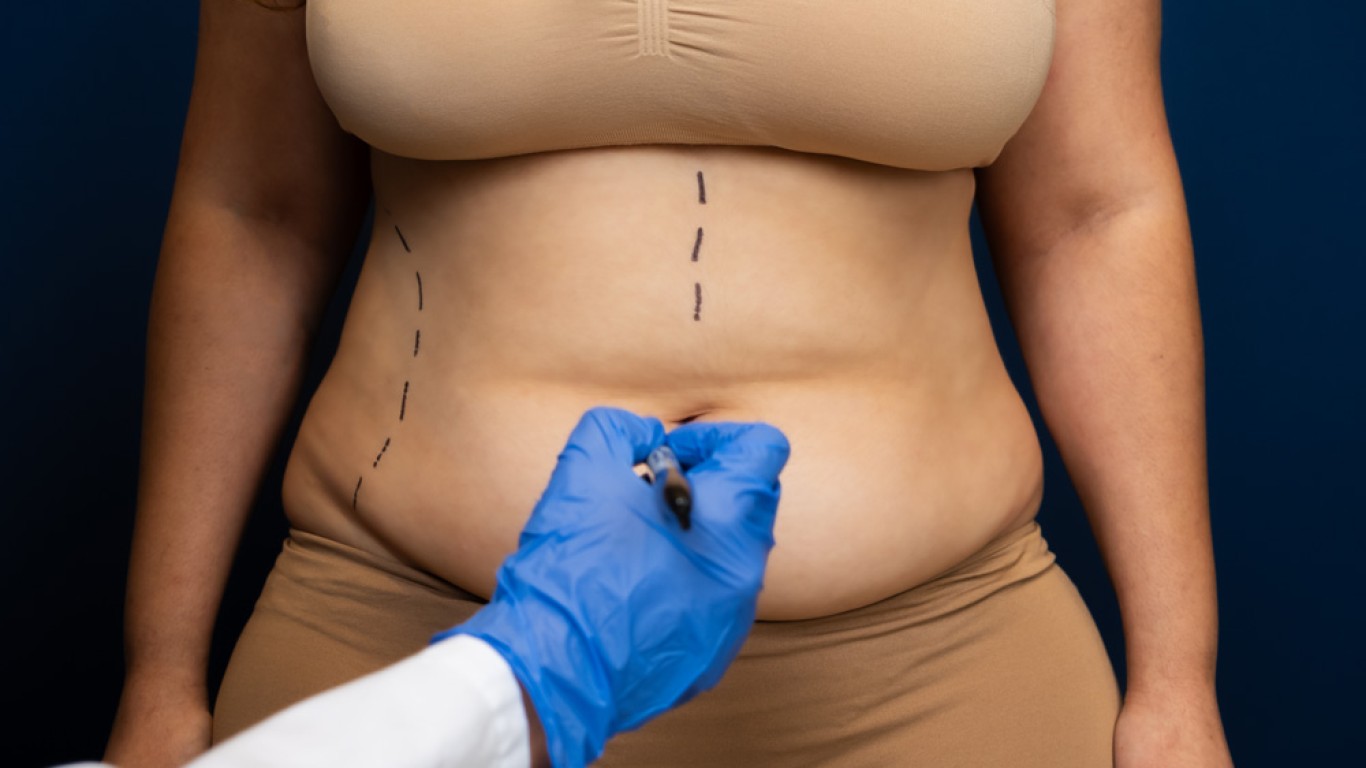
A protruding or loose abdomen is usually made of three separate things. There is the skin, which may have stretched. There are the muscles, which may have separated. And there is fat, both under the skin of the abdomen and around the waist and flanks. Each of these responds to a different treatment, which is why a good assessment looks at all three.
When patients feel let down by abdominal surgery, the cause is usually a mismatch. Liposuction was chosen for a problem that was mostly skin. Or a tummy tuck was expected to slim the waist on its own. Naming the three components first prevents most of these disappointments.
What each procedure can do
Liposuction
Liposuction removes fat through small incisions using a thin tube called a cannula. It works well on stubborn deposits that have not responded to diet and exercise. Typical areas are the flanks, the waist and the upper abdomen, and the scars are small. What liposuction does not do is remove skin or tighten muscle. After fat is removed, the skin has to shrink to fit the new shape. The American Society of Plastic Surgeons (ASPS) notes that skin can only contract so much.
Skin that has been stretched by pregnancy or large weight loss often cannot contract enough. Removing the fat beneath it can then leave the abdomen looser and more wrinkled than before.
Tummy tuck
A tummy tuck, or abdominoplasty, removes excess skin and fat from the lower abdomen through a low incision. In most cases the surgeon also repairs the abdominal wall. The two vertical muscles at the front of the abdomen are stitched back together where they have separated. This separation is called rectus diastasis and often follows pregnancy. The belly button is then brought out through a new opening in its natural position.
The result is a flatter, firmer front of the abdomen. A tummy tuck concentrates on the area below the belly button, however, and does much less for the waist and flanks.
Why tummy tuck and liposuction are combined
Because each operation works on a different area, they complement each other. The tummy tuck deals with the skin and muscle at the front. Liposuction shapes the flanks, the waist and sometimes the upper abdomen. Done together, a tummy tuck and liposuction can produce a smoother line from the front of the abdomen around to the back. Treating the front alone can leave a flat abdomen sitting between full flanks.
For many years surgeons hesitated to combine them. A traditional tummy tuck lifts the abdominal skin widely off the muscle. This divides many of the small vessels that supply the skin. Aggressive liposuction of that same lifted skin risked compromising its blood supply further.
The technique known as lipoabdominoplasty changed this. The surgeon lifts only a narrow central area, enough to repair the muscles. Most of the vessels feeding the rest of the abdominal skin, known as perforators, are preserved. Liposuction is then used to thin and shape the tissue that has not been widely detached.
The published evidence on this approach is reassuring. A systematic review and meta-analysis published in Aesthetic Plastic Surgery in 2019 compared it with traditional abdominoplasty. It found no evidence that the combined technique was associated with higher complication rates. Seroma, a collection of fluid, and haematoma, a collection of blood, were both less frequent in the lipoabdominoplasty groups.
Are you ready for surgery now?
Timing matters as much as technique. A few questions decide whether now is the right moment, and they are worth answering honestly before you book anything.
Is your weight stable?
The ASPS describes good candidates as physically healthy and at a stable weight. Surgery is not a weight loss method. If you are still losing weight, including with weight loss medication, it is usually better to reach a stable point first. Further loss after surgery can loosen the skin again and blur the result.
Are more pregnancies likely?
Pregnancy stretches the abdominal skin and can separate repaired muscles again. Patient guidance from Johns Hopkins Medicine advises people planning future pregnancies to delay abdominoplasty. If more children are a real possibility, discuss timing openly with your surgeon. That is better than operating now and hoping for the best.
Do you smoke or use nicotine?
Nicotine reduces blood flow to the skin, and the lower abdominal skin depends on that blood flow to heal. A study of 132 abdominoplasties published in Plastic and Reconstructive Surgery found more wound healing problems in smokers than in non-smokers. Its authors concluded that smokers should be informed of this higher risk. Your surgeon will tell you how long before and after surgery to avoid nicotine in all its forms.
What medicines do you take?
Bring a complete list to your consultation, including supplements and weight loss injections. Some medicines affect bleeding, clotting or anaesthesia, and may need to be paused or adjusted around surgery. That decision belongs to your surgeon and anaesthetist, together with the doctor who prescribed the medicine. Do not stop or change a prescribed medicine on your own.
Questions worth asking at your consultation
A consultation works best as a conversation. It helps to arrive with questions that ask the surgeon to explain the plan in terms of your own anatomy, rather than in general terms.
Ask how much of your problem the surgeon sees as skin, how much as muscle and how much as fat. Ask whether liposuction alone would help, and if not, why not. Ask where the scar will sit and roughly how long it is likely to be.
Then ask about safety and follow-up. How will the risk of fluid collection be managed, with drains or with internal stitches? How will your risk of blood clots be assessed? Who will see you after surgery, and how can you reach the team if something worries you?
The risks to understand
A tummy tuck is a substantial operation, and adding liposuction does not make it a minor one. The ASPS lists risks including bleeding, infection, fluid accumulation, poor wound healing, skin loss and fat necrosis. Its list also includes numbness or other changes in skin sensation, unfavourable scarring and asymmetry. Persistent pain, blood clots and the possibility of revision surgery complete it.
Fluid collection under the lifted skin, called seroma, is one of the problems surgeons work hardest to prevent. Some use drains for the first days. Others close the space from the inside with a series of internal stitches called progressive tension sutures. A 2020 systematic review in Aesthetic Plastic Surgery found that this technique without drains, combined with liposuction, was effective in reducing seroma rates. Its authors noted that larger trials are still needed.
Blood clots in the leg veins are a risk after any operation of this size, and they can occasionally travel to the lungs. The risk is assessed individually. Factors such as age, weight, medical history, hormone use and the length of surgery are all taken into account. Prevention usually includes walking early and compression of the legs. Some patients also receive blood thinning medication, depending on their risk profile.
Numbness of the lower abdomen is common and often improves over months, although some change in sensation can be permanent. Listing these risks is not meant to discourage anyone. It means the decision is made with the full picture, by someone who understands what they are agreeing to.
If you are travelling for surgery
Some patients have surgery away from home. That can be a reasonable choice, but a combined tummy tuck and liposuction needs more planning than a short procedure. The first days may involve drains, wound checks and a gradual return to walking. All of this is easier close to the team that operated.
Plan to stay near the clinic until your surgeon has reviewed you and is satisfied with your progress. The date you can travel home is a clinical decision made during recovery, so a flexible return ticket is sensible. Ask before surgery how follow-up will work once you are home, and who you can contact with questions.
Long journeys deserve particular attention. The travel health guidance of the US Centers for Disease Control and Prevention (CDC) addresses this directly. It lists recent surgery among the factors that raise the risk of blood clots during long-distance travel. Long-distance travel is most often defined as journeys of more than four hours. For travellers at increased risk, the CDC describes frequent walking, calf exercises, an aisle seat and properly fitted compression stockings. Ask your surgeon how this applies to you, and when a long flight is reasonable after your operation.
Recovery in broad strokes
Recovery from a tummy tuck and liposuction is gradual. The exact plan depends on the extent of surgery and on your surgeon's protocol. In the first days most people walk slightly bent forward to reduce tension on the incision, and short walks start early. A compression garment is usually worn to support the tissues and help control swelling. Drains, if used, are removed once the fluid output has dropped.
Over the following weeks normal activity returns step by step. Heavier lifting and strenuous exercise come last, once your surgeon is satisfied with healing. Areas treated with liposuction often stay swollen and firm for longer than people expect. The final contour takes months rather than weeks to appear.
Scars change too. Johns Hopkins Medicine notes that scars can look worse during the first three to six months. It can take up to a year for them to flatten and fade. Knowing this in advance makes that middle period much less worrying.
How long the results last
Fat cells removed by liposuction do not grow back, and skin removed during a tummy tuck is gone for good. The repaired muscles stay in their new position unless they are stretched again. In that sense the change is lasting.
The result can still change. The remaining fat cells can enlarge with significant weight gain. A later pregnancy can stretch the skin and muscles again, and the body continues to age. Keeping a stable weight is the most effective way to protect the result over the long term.
Frequently asked questions
Do I need a tummy tuck, liposuction or both?
It depends on what your abdomen is made of. Firm skin with excess fat often responds to liposuction alone. Loose skin or separated muscles need a tummy tuck. When both are present, a tummy tuck and liposuction together usually give the most balanced shape. An examination is the only reliable way to decide.
Is it safe to have both in one operation?
For suitable patients, the evidence is reassuring. A 2019 systematic review and meta-analysis in Aesthetic Plastic Surgery found no evidence that lipoabdominoplasty carried higher complication rates than traditional abdominoplasty. Whether it is safe for you still depends on your health, the amount of fat to be removed and the extent of surgery needed.
Will liposuction tighten loose skin on my stomach?
No. Liposuction removes fat, not skin. If the skin is already loose, it can look looser once the fat beneath it is gone. Excess skin is removed with a tummy tuck.
Does a tummy tuck fix separated stomach muscles?
In most cases, yes. During a tummy tuck the surgeon usually stitches the separated muscles at the front of the abdomen back together. This condition is called rectus diastasis, and liposuction cannot correct it.
Where will the scars be?
The main scar runs low across the abdomen and is usually placed so that underwear or swimwear can cover it. There is also a scar around the belly button and small scars where the liposuction cannula entered. Scars can look worse for the first months and usually take up to a year to flatten and fade.
When can I fly home after surgery?
That is a decision your surgeon makes during recovery, not a fixed date. Recent surgery is one of the factors that raise the risk of blood clots on long journeys. Ask in advance how your surgeon will assess this and which precautions to take, and keep your return travel flexible.
When will I see the final result?
The flatter abdomen is visible early, but swelling takes months to settle, especially in the areas treated with liposuction. The scar continues to improve for up to a year. Results, recovery and risks vary between patients.
Next steps
The most useful first step is an examination that separates skin, muscle and fat. It decides whether you need liposuction, a tummy tuck, or a tummy tuck and liposuction together. What a first consultation should cover is described in the article on the aesthetic consultation.
Dr. Mubariz Mammadli is a plastic, aesthetic and reconstructive surgeon. Details of both procedures are on the abdominoplasty page .
This article is general information and does not replace an individual medical assessment. Suitability, results, recovery and risks vary between patients. Any decision about surgery should follow a consultation with a qualified surgeon. It should also follow a full discussion of the alternatives, including the option of not having surgery.