Contents
- A Leading Choice for Azerbaijani Patients Dr. Mubariz Mammadli, Facial Plastic Surgeon
- Deep Plane Facelift: Natural Transformation Results
- Rhinoplasty and Lower Blepharoplasty: A Patient Case
- Endoscopic Brow Lift and Bella Eyes: 15-Month Result
- Endoscopic Brow Lift and Bella Eyes: 15-Month Result
- Upper Blepharoplasty Results 7 Months Later
- Deep plane facelift results at 1 month
- Brow Lift and Blepharoplasty Results: 2-Year Case Study
- Blepharoplasty Results: One Month After Surgery
9 interesting plastic surgery facts
Important plastic surgery facts about history and modern practice
Plastic surgery is a hallmark of modern times. Advancing technology and surgeon expertise create remarkable results. Today, anyone can change their appearance with aesthetic surgery. Our ancestors would be amazed by these possibilities.
Understanding plastic surgery facts helps patients make informed choices. This article explores 9 interesting and educational plastic surgery facts you should know. These facts reveal the rich history and modern practice of surgery.


1. Plastic procedures existed 2700 years ago. This early plastic surgery fact shows surgery is not new. Around 600 B.C., surgeons in India performed nose corrections. They used forehead and cheek skin to reconstruct noses.
Patients received wooden tubes in the nose for breathing during recovery. This remarkable procedure demonstrates early surgical ingenuity and medical advancement.
2. During the Renaissance, barbers performed most plastic procedures. They had surgical skills and were trusted with complex operations.
These plastic surgery facts demonstrate how the field evolved. Barbers combined their craft with surgical knowledge to serve patients effectively.
3. The term plastic surgery first appeared in 1818. This plastic surgery fact marks an important professional milestone in medical history. Karl Ferdinand Von Graefe used it in his book Rhinoplastika (Rhinoplastic). This marked the beginning of formal medical terminology for the discipline.
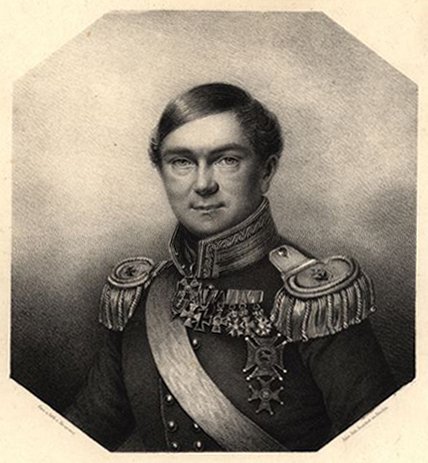
4. World War I greatly advanced plastic surgery in Europe. Wounded soldiers needed both reconstruction and cosmetic improvement. Surgeons developed innovative techniques during wartime necessity to help injured soldiers.
They pioneered tissue and blood vessel transfers. Facial surgery techniques improved dramatically through wartime innovation and medical breakthroughs.
5. In Nazi Germany, circumcision reconstruction was the most expensive procedure. This tragic plastic surgery fact reflects dark history and persecution. This operation became a life-or-death matter during persecution of Jewish people. It demonstrates how surgery addresses real human needs in crisis situations.
6. In 2013, over 1.56 million plastic surgeries occurred in the United States alone. This plastic surgery fact shows the procedure's widespread popularity and acceptance. This number continues to grow significantly each year showing increasing demand.
Americans increasingly embrace cosmetic enhancement for various personal reasons and goals.
7. Among women, breast surgery is the most popular cosmetic procedure. Among men, rhinoplasty is the most common choice overall in surveys. These procedures lead by significant margins in popularity and demand.
Gender significantly influences which procedures patients seek most often.
8. Most plastic surgery patients are 30-35 years old. This demographic plastic surgery fact is particularly interesting and relevant. This age group accounts for 44% of all procedures performed. Mid-career professionals often prioritize appearance improvement and personal enhancement.
9. Plastic surgeons report that two-thirds of first-time patients return for additional procedures. This repeat business plastic surgery fact reflects high satisfaction levels. Patient satisfaction leads to repeat visits and recommendations to friends. Positive results encourage additional enhancements over time and throughout life.