Contents
- Endoscopic Deep Plane Facelift: What It Is, Who It Suits
- Endoscopic Facelift Cost: Comparing Azerbaijan, the US, and Europe
- Endoscopic Brow Lift: Complete Guide
- Why Natural-Looking Facelifts Are Becoming the New Standard in 2026
- Endoscopic Deep Plane Facelift & Advanced Facial Rejuvenation
- Modern Plastic Surgery
- Forehead Lift: Youthful Look with Minimal Scarring
- Waist Slimming Surgery Without Rib Removal In Baku
- Scars After a Deep Plane Facelift, Why They Heal So Well
What is buccal fat removal?
Buccal fat removal is the surgical removal of the buccal fat pads with the help of a laser. The laser beam has coagulating properties. It seals small vessels and capillaries on contact, preventing blood loss. After this procedure, complications are uncommon. The skin regenerates quickly.
The result is a clean, slender and precisely defined facial contour. The operation can be performed up to the age of thirty. After thirty, it is combined with a facelift. Carrying it out alone beyond that age can leave the face looking saggy.
It can be performed with either a coagulator or a laser.
Who is a good candidate for Buccal fat removal?
Indications
The fat pads do not interfere with the way the body works, so there is no medical reason to remove them. Their resection is an aesthetic choice, made at the patient request. It is recommended when reducing the volume of the cheeks corrects visible shortcomings of the appearance.
- A round face that looks wider than it is because of the fat pads;
- A heavy lower third of the face;
- A lack of visible cheekbones and of facial relief.
Contraindications to the procedure
The operation is not carried out before the age of twenty-five. Until then, the body is still growing. The facial tissues are developing and the fat layer over them is shrinking. There is a real chance the pads will recede on their own by twenty-five or twenty-six.
Plastic surgeons also advise against resecting them in patients who are overweight or underweight, or whose body weight changes sharply and often.
Relative contraindications
- Pregnancy and breastfeeding;
- Menstruation;
- Acute respiratory or viral infections;
- Inflammatory processes in the area to be treated.
As with any other surgery, removing the fat pads is strictly contraindicated in the following situations:
- Diseases of various organs and systems in the decompensation stage;
- Severe blood clotting disorders;
- Active tuberculosis;
- Malignant tumours;
- Mental disorders and psychiatric illness.
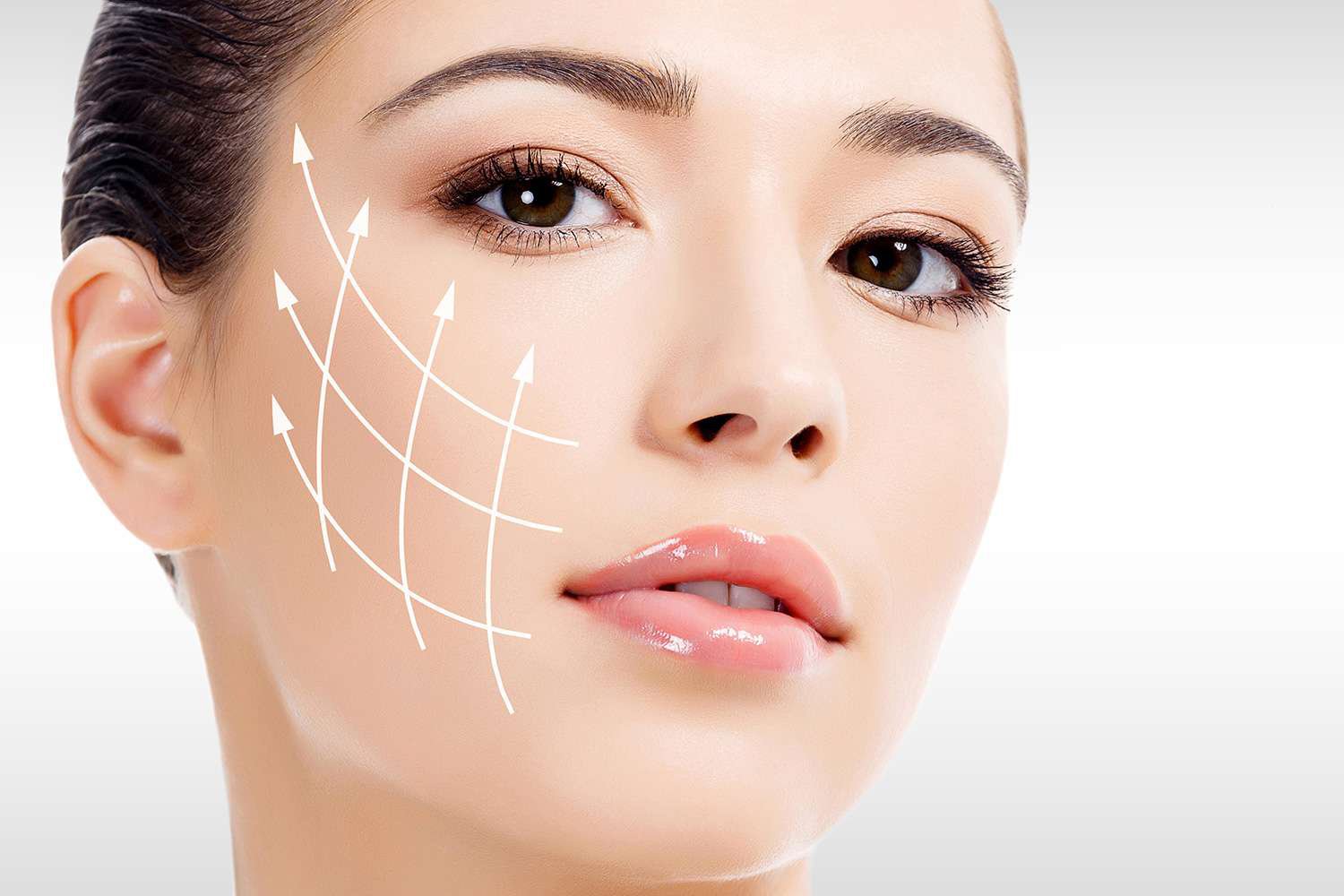
How Buccal fat removal is performed and what recovery looks like
How is the procedure performed?
Main techniques
In most cases the pads are removed through an incision on the inside of the cheek. When more complex facial work is being done, they can also be taken out through an external incision.
Preparing for the procedure
This operation must be carried out with care and only by a specialist surgeon. Preparation includes the standard set of tests and examinations.
- Full blood count;
- Blood chemistry;
- Coagulogram;
- HIV and syphilis blood tests;
- Viral hepatitis screening;
- Urinalysis;
- Therapist consultation;
- ECG;
- Chest X-ray.
Recovery period
For the first one to three days after surgery, pain and swelling around the operation site increase. Chewing and swallowing become harder. Cold compresses on the cheeks and painkillers may be used, following the doctor instructions. Your plastic surgeon sets the date for suture removal and a follow-up visit, usually five to seven days after surgery.
For seven to ten days after the procedure, sleep on your back with the head of the bed raised. This helps the swelling go down. During this period, reduce pressure on the facial muscles. Eat soft, liquid food and avoid strong facial expressions and loud laughter. Limit physical activity in general.
Avoid baths, saunas and solariums. Stay away from very hot or very cold drinks, spicy food, alcohol and tobacco.
Swelling and discomfort can last for two to three weeks after surgery, but they will no longer be sharp. The final result can be judged once the main swelling has gone down. That is usually one to two months after the procedure.
As aesthetic surgeon Mubariz Mammadli, I and my team carry out this and other plastic surgery procedures in Baku. We work across Azerbaijan with a high level of professionalism.